Vaping moved the problem of smoke-free spaces rather than fixed it. Standard smoke alarm neglect most electronic cigarette aerosols, yet the health and wellness concerns remain, specifically in schools, healthcare centers, and offices that need to safeguard indoor air quality and enforce vape-free zones.
The last couple of years have seen a quiet but considerable change: vape detectors tied into the Internet of Things. When they are released attentively, they do more than set off a vape alarm. They expose patterns, expose high-risk areas, and provide administrators enough data to adjust policies instead of chase events one by one.
This is not a magic tool. It is a set of sensing unit technologies, network links, analytics, and policies that live or die on implementation information. Used well, they can move the focus from guessing where individuals vape to knowing where and when threat is highest.
What a vape detector actually senses
Most people visualize a "vape detector" as a slightly smarter smoke detector. In practice it is better to a compact indoor air quality monitor optimized for aerosol detection from electronic cigarettes.
Different items rely on different sensor blends, however under the hood you typically see some mix of:
Particulate sensing units. These identify aerosolized beads and small strong particles, frequently in the PM1 to PM10 variety. Vaping produces an unique cloud of particulate matter compared to background dust. Optical scattering sensors are common due to the fact that they are small, inexpensive, and respond quickly. The compromise is that they can not constantly distinguish vaping from really dense steam or specific commercial aerosols.
Gas sensors. Many vape detectors consist of volatile organic compound (VOC) sensors that respond to solvents and flavoring representatives used in e-liquids. Some likewise effort nicotine detection particularly, though that is harder. Selective nicotine sensor modules exist, however they are more pricey and susceptible to drift. THC detection is trickier still; most affordable gadgets do not genuinely identify THC itself, but rather presume cannabis vaping from a characteristic VOC profile.
Environmental sensing units. Temperature, humidity, and in some cases CO2 measurements help identify vaping from other sources. For example, high humidity spikes in a locker space shower are extremely various from a small aerosol plume in a dry corridor. Environmental context likewise assists refine the indoor air quality index for a space.
Signal processing. Raw readings alone are loud. Suppliers layer algorithms on top, a primitive form of machine olfaction. They search for patterns across particle and gas channels over seconds to minutes, then appoint likelihoods that an event matches recognized vaping signatures rather than cooking fumes or cleaning sprays. This is where the majority of the product differentiation actually lives.
What these devices normally do refrain from doing, in spite of marketing language, is carry out a forensic drug test in genuine time. They are ecological displays initially, pattern recognizers 2nd, and just indirectly tied to specific behavior.
Key difference from standard smoke detectors
A conventional smoke detector lives an easy life. It listens for combustion products or heat, and when levels cross a threshold, it joins the fire alarm system. Its job is binary: fire or no fire.
Vape detectors work in a much greyer location. Several crucial distinctions matter when you begin utilizing them:
They have to be much more delicate. By style, they get non-combustion aerosols from electric cigarettes, not just smoke from burning product. That indicates more incorrect positives unless thresholds and algorithms are tuned carefully for the specific building.
They are not life-safety gadgets in the regulative sense. They may integrate with a smoke alarm system for notice, but they do not replace code-compliant smoke alarm. Treating them as equivalent is a major mistake.
They gather and transfer information continually. A smoke detector cares only about alarms. A vape sensor functioning as part of an indoor air quality monitor generates time series information on particulate matter, VOCs, and associated metrics, which can be examined for trends.
They are more context-dependent. Setup height, air circulations, and regional materials have a lot more influence on efficiency. In some restrooms, ceiling-mounted units capture most aerosol plumes. In others, stall placement and exhaust fans create dead zones that beat ignorant placement.
When individuals presume "just a smarter smoke detector," they miss the larger worth: a data-driven photo of how, where, and when vaping actually occurs.
The IoT layer: from isolated alarms to a cordless sensing unit network
The real shift comes when vape detectors join a wireless sensor network as part of a wider Internet of Things strategy. At that point, the structure becomes a kind of dispersed nose.
At a high level, most modern implementations share a comparable architecture:
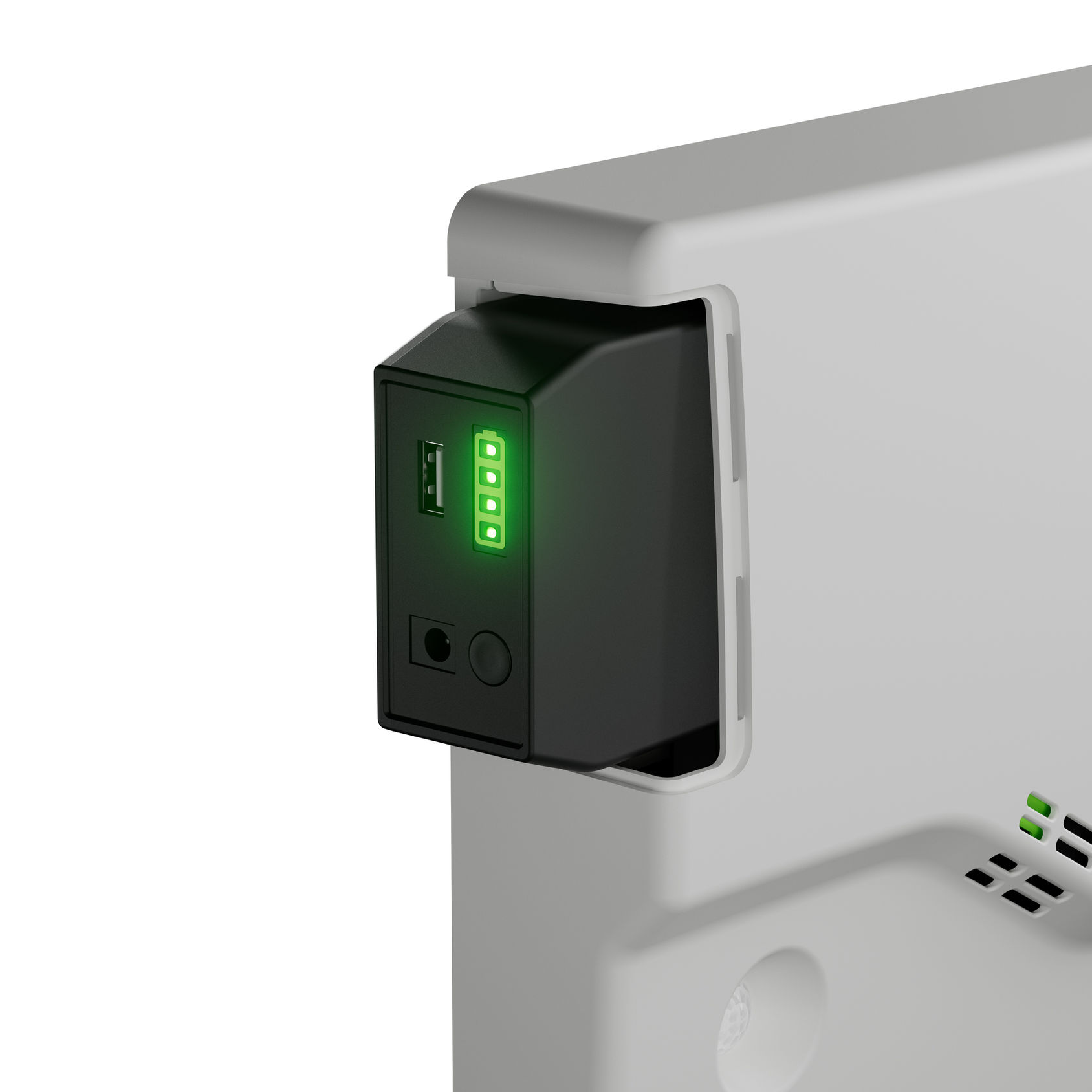
The sensor node. A ceiling or wall-mounted vape sensor scans air for aerosol and gas signatures. It might integrate particulate, VOC, nicotine, temperature, and humidity sensing units. Some units also contain microphones for loud noise detection, which raises its own privacy questions.
The local network. Gadget connect through Wi-Fi, LoRaWAN, exclusive mesh radio, or wired Ethernet. Bandwidth requirements are modest, but stability and variety matter, especially in basements, stairwells, and older cinder block school buildings that attenuate signals heavily.
Cloud or on-premises backend. Sensor readings stream to a server that aggregates them, applies extra analytics, and sets off occasions. The choice in between cloud and on-site hosting is mostly about IT policy, latency requirements, and regulatory comfort around information sovereignty.
Integration points. The system ties into notification tools and often physical systems: SMS or app informs to personnel, building control panels, links into access control systems, or logging in the very same environment where you handle ecological health and wellness data. A few setups interface with structure automation, so a severe event can momentarily increase local exhaust.
Analytics and visualization. This is where patterns emerge. Time-of-day charts, heatmaps of places, connections with occasions like lunch breaks or video game nights, and anomaly detection give administrators a much clearer photo than a log of isolated alarms.
When all of this works, you stop considering a "vape alarm" as a single siren and begin thinking of a real-time map of air quality at bottom lines in the building.
From single informs to vaping patterns
The very first couple of vape detectors in a school or office often seem like a disciplinary tool. An alarm sounds in a aerosol detection in air restroom, personnel respond, the responsible person might or might not be recognized. The dynamic is reactive.
Patterns emerge only when you let the system run enough time and look at its data in aggregate.
A normal trajectory I have actually seen in schools goes like this: a handful of detectors begin revealing regular vaping events in a specific washroom. Personnel concentrate on that space, increase guidance, and incidents there drop dramatically. But the detector logs then start to show increased events in a different restroom two floors away, and later on in a far corner of an outside locker space. The habits did not vanish. It migrated.
Once you visualize these shifts, the method modifications. You realize that vaping occurrences cluster in zones with three characteristics: low natural foot traffic, weak informal adult presence, and enough privacy to feel safe. That might be a rear stairwell landing, a particular corridor bend, or a parking garage stair tower in an office building.
The worth of sensor technology comes less from catching specific occurrences and more from identifying those high-risk locations, then reshaping the environment: changing sightlines, rerouting student or worker flow, enhancing lighting, or relocating staff desks.
Temporal patterns are equally exposing. In most secondary schools, you see peak vaping detections within about ten minutes after the start of a passing duration and right after lunch. In workplaces, the pattern often tracks scheduled breaks and move modifications. Understanding that makes it simpler to arrange supervision, cleaning up staff, or security strolls tactically rather than blanket coverage.
Locating high-risk locations without going after ghosts
Deploying vape detectors blindly across every room is both costly and unnecessary. A staged, data-driven rollout generally works better.
Start with suspected hotspots. In schools, that typically indicates toilets and locker rooms. In offices or industrial sites, believe stairwells, back passages, and partially confined outside areas. Install a modest variety of systems, cope with the information for numerous weeks, then adjust.
Once you have some proof, you can layer more accuracy:
Compare comparable areas. If 3 school restrooms on a floor see practically no events, but one reveals duplicated vape alarm occasions every day, there is something specific about that place: the absence of a monitoring adult nearby, a hidden corner, a door that closes gently, or the lack of traffic from staff.
Align with building circulation. Overlay detection events against class change times, shift logs, or card swipes from access control systems. You might discover that a space which looks quiet on layout remains in fact a significant pass-through, or vice versa.
Watch for displacement. When you intervene in a recognized hotspot, keep an eye on near-neighbor areas. If toilet A's events drop, but you start seeing activity in washroom B two doors down, your intervention altered behavior however did not remove it. Your goal is to decrease total vaping, not simply shuffle it out of sensor range.
Use air quality context. Abrupt spikes in particulate matter with matching VOC signatures are extremely different from slow, low-level boosts connected with cleaning or small machinery exhaust. Better systems include this into an air quality index and flag occasions that genuinely match electronic cigarette aerosols.
Eventually, a map of "living spaces" emerges: not just where people are supposed to be, but where they feel concealed enough to break guidelines. That map is far more important than a list of alarm timestamps.
School security and student health: what has really helped
School leaders often reach vape detectors after tiring posters, assemblies, and parent e-mails with little effect. Vaping-associated pulmonary injury cases from a few years ago sharpened the concern, but the everyday truth in numerous middle and high schools is more mundane: kids slipping away to restrooms to utilize e cigarettes, in some cases with THC blended in, pushing student health and discipline systems to their limits.
From deployments I have actually viewed up close, a couple of useful lessons repeat:
Early interaction matters more than shiny hardware. Trainees interact faster than any vendor sales brochure. If the detectors appear suddenly without explanation, rumors about microphones and secret electronic cameras spread quickly and harm trust. When admins instead discuss plainly that the devices are aerosol detectors, not recording tools, resistance softens.
Consequences alone do little bit. Dealing with each vape alarm as a quasi-criminal event produces a punitive loop without lowering use. Schools that integrate detection with therapy, cessation support, and moms and dad education typically see better long-lasting outcomes, even if the short-term number of occurrences logged in fact rises as detection improves.
Location choices send out signals. Placing sensors in every corridor ceiling creates a sense of constant surveillance that may be disproportionate and politically challenging. Concentrating on restrooms, locker rooms, and a couple of other discrete high-risk areas is both cheaper and more acceptable to families.
Data transparency develops reliability. Sharing aggregate vaping patterns with staff and households, in anonymized type, reframes the conversation. Instead of "we caught five students last week," admins can say "we saw a 40 percent decrease in restroom vaping this semester after adding supervision near these entryways and adjusting pass policies."
Done by doing this, vape sensor networks turn into one part of a more comprehensive vaping prevention technique, linked to student health instead of just rule enforcement.
Workplace and occupational safety considerations
In workplaces, the framing shifts from student discipline to occupational safety and employee health. Indoor vaping policies frequently exist on paper however fall apart on the store floor, in warehouses, or in back-of-house spaces in hospitality and retail.
Here, vape detectors tie into 3 overlapping issues:
Indoor air quality. For employees already exposed to dusts, solvents, or thermal aerosols, additional particulate matter from e cigarettes can press total direct exposure into uncomfortable territory. An air quality sensor that sees both baseline particulate loads and spikes from vaping can assist security personnel make grounded decisions about ventilation improvements.
Fire and procedure safety. In some industrial settings, ignition dangers from lithium-ion vape batteries or flammable vapors matter. While a vape sensor is not a smoke alarm, it can show non-compliance with no-vape rules in areas where arcing or stimulates would threaten, such as near volatile organic compound tanks, paint cubicles, or grain dust accumulators.
Policy fairness. Numerous work environments struggle with viewed injustices: smokers and vapers slipping away for frequent breaks while non-smokers remain on task. Objective vaping detection in specific high-risk areas can decrease the temptation to over-generalize or single out individuals based exclusively on rumor.
One crucial caution: linkage to HR and discipline needs clear policy up front. Staff ought to understand when and how vape alarms are logged, what follow-up appears like, and how that data engages with other systems such as access control logs or incident reports. Surprise connections wear down trust rapidly.
Choosing sensor innovations: a targeted purchasing lens
The market for vape detectors and associated indoor air quality screens is crowded. Out of the noise, a handful of criteria generally matter most.
First, believe in regards to your most likely interferents. In an industrial kitchen, you need a system that can distinguish vaping from cooking aerosols. In a school locker space, you fret more about shower steam and deodorant sprays. Products that expose their underlying sensor types and algorithm strategies give you a better sense of fit.
Second, validate that the gadget is intended for vaping and not just general smoke detection. Some air quality sensing units respond weakly to the thick aerosol created by e cigarettes, resulting in missed out on events.
Third, evaluate combination instead of features in seclusion. Does the unit speak your existing wireless network language, or will it need a parallel infrastructure. Can it feed your central environmental health dashboard. Will it play pleasantly with your smoke alarm system, conference code borders without puzzling structure occupants.
Finally, baseline maintainability is often undervalued. Sensors drift, particularly low-cost VOC modules and some optical particulate sensors in dusty environments. Ask about calibration cycles, replacement intervals, and whether the supplier can push over-the-air configuration changes throughout your cordless sensor network.
A modest, well-integrated vape sensor cluster that you can keep reliably normally beats a high-grade device released in a few token locations and after that forgotten.
Deployment checklist for determining patterns effectively
A great deal of money has actually been wasted on poorly prepared vape detector jobs. A simple list assists keep a deployment connected to its genuine goals rather of supplier slide decks.
Clarify the primary goal
Choose whether your very first top priority is imposing vape-free zones, improving indoor air quality, protecting student health, reducing occupational safety dangers, or some mix. The option impacts placement, policies, and even sensor type.
Map most likely danger areas
Stroll the building and mark areas that combine privacy, low guidance, and shelter from weather condition. Consist of stairwells, secondary restrooms, side entrances, and behind mechanical spaces. Use staff input instead of presumptions alone.
Start with a pilot
Set up a small number of vape detectors in different environments, then gather several weeks of data. Usage that duration to fine-tune limits, test alert workflows, and understand regular background levels of particulate matter and VOCs.
Decide how alerts flow
Before any alarms go live, define who gets alerted, how quickly, and what they are expected to do. Do not rely entirely on one person's smart phone. Consider both during-hours and after-hours scenarios.
Plan for information use beyond discipline
Handled in this manner, you position the system as an observatory of behavior and air quality, not simply a tripwire.
Privacy, ethics, and the border with drug testing
Any network of sensing units raises personal privacy concerns. Vape detectors are less intrusive than electronic cameras, however concerns still emerge, particularly in restrooms and locker rooms.
Several practices tend to keep implementations on the ideal side of both principles and public understanding:
Limit the information you collect. For most purposes, you do not require, and should not utilize, audio recording or high-resolution localization. Event-level information integrated with area and time is usually adequate to identify vaping patterns. Prevent integrating vape alarm logs with separately recognizable drug test results, unless you are under really particular legal requireds and have transparent policies.
Be clear about what the sensing units can not do. Many individuals envision that a "THC detection" system can determine cannabis users with lab-test accuracy. Indoor devices that depend on aerosol detection and VOC profiles are probabilistic at finest. Overstating their ability causes unreasonable expectations and possible misuse.
Respect sensitive spaces. Discovering vaping in restrooms without creating a sense of surveillance is a fragile balance. Hardware must be noticeably non-camera, positioned far from stalls, and described honestly as an air quality sensor, not a spying device. In some jurisdictions, workplace laws may also restrict specific sensing unit uses.
Use aggregate data for pattern recognition, private information for safety, not surveillance. Building-level heatmaps and time patterns must inform supervision and health interventions. Specific occasion reactions ought to concentrate on instant security and policy compliance, not long-lasting tracking of particular people.
When these lines are kept clear, vape detectors can exist together with a sensible expectation of privacy in shared spaces.
Making sense of what the data reveals
Once a vape sensor network runs for a few months, you will be awash in numbers: alarm counts, particle spikes, VOC traces, time-of-day plots. The technique is to draw out meaning instead of drown in detail.
In practice, 3 kinds of analysis tend to drive beneficial decisions.
Trend analysis over semesters or quarters. In schools, comparing fall and spring patterns typically shows whether prevention campaigns and policy changes are working. An initial increase in found events after installation is common; students test borders and the system. The genuine test comes later: whether events daily or per student actually fall after continual enforcement and education.
Spatial comparisons in between similar zones. Taking a look at occasion rates in different but comparable areas highlights design concerns. For example, 2 stairwells with similar rules however various vaping detection rates may differ primarily in lighting quality or how exposed they feel to casual observation.
Correlations with non-vaping metrics. Some companies overlay vape alarm data on absenteeism, health center check outs, and even near-miss safety reports. The point is not to claim direct causality, but to observe clusters. If a particular building wing regularly experiences both poor indoor air quality and higher vaping occurrences, it may should have ventilation improvements or a revitalized wellness program.
Handled thoughtfully, the information functions as a feedback loop, keeping security procedures, health efforts, and physical structure changes aligned with real behavior patterns instead of assumptions.
Where this is heading
Vape detection is likely to fold into wider indoor ecological noticing over the next few years. Rather of devoted vape sensing units, many facilities will rely on multi-function air quality monitors that track particulate matter, essential unpredictable natural compounds, CO2, and noise and after that infer events with significantly improved machine olfaction models.
Integration with other building systems will deepen. A spike of aerosol and VOCs might activate a temporary ventilation boost, or a quiet alert to staff instead of a loud siren. Analysis tools will make it easier to compare websites and period, helping districts or business safety groups gain from one place and apply insights to others.
What will not alter is the core truth: a sensor network alone does not produce vape-free zones. It offers exposure. Turning that presence into much better student health, enhanced employee health, and genuine vaping prevention depends on what companies choose to do with the patterns they finally see.